
In the high-stakes world of healthcare, where precision and efficiency are paramount, the surgical technician emerges as a linchpin of the operating room. This crucial role demands a unique blend of technical skill, unwavering focus, and a commitment to patient safety. From meticulously preparing the sterile field to anticipating the surgeon’s every need, surgical technicians are the unsung heroes who ensure that complex procedures run smoothly and successfully.
This deep dive explores the multifaceted responsibilities, educational pathways, and ethical considerations that define the profession. We’ll examine the specific demands of various surgical specialties, the impact of technological advancements, and the critical role surgical technicians play in maintaining a sterile environment and preventing surgical site infections. It’s a comprehensive look at a career that is both challenging and deeply rewarding.
Understanding the Core Responsibilities of a Surgical Technician is Essential for Aspiring Professionals
The role of a surgical technician, also known as a scrub tech, is multifaceted and crucial to the success of any surgical procedure. Aspiring professionals must possess a comprehensive understanding of their responsibilities, encompassing preparation, assistance, and maintenance throughout the surgical process. This includes not only technical skills but also a strong understanding of sterile technique, patient safety, and teamwork. The following sections will detail the core duties and responsibilities of a surgical technician.
Primary Duties of a Surgical Technician
Surgical technicians are integral members of the surgical team, providing critical support to surgeons, nurses, and anesthesiologists. Their responsibilities span the pre-operative, intra-operative, and post-operative phases of a surgical procedure.
During the pre-operative phase, the surgical technician is responsible for preparing the operating room. This involves gathering and organizing instruments and equipment, ensuring their sterility, and preparing the sterile field. They collaborate with the surgical team to anticipate the needs of the procedure.
Intra-operatively, the surgical technician assists the surgical team directly. They pass instruments to the surgeon, anticipate the needs of the procedure, maintain the sterile field, and assist with tasks such as suctioning and retracting. They are also responsible for the care and handling of specimens.
Post-operatively, the surgical technician assists with the cleanup and turnover of the operating room. They disassemble the sterile field, dispose of contaminated items, and prepare the room for the next procedure. They also assist with the restocking of supplies.
Surgical technicians must possess a strong understanding of surgical procedures and the instruments used in each. They need excellent communication skills, attention to detail, and the ability to work effectively under pressure. Their primary goal is to contribute to a safe and efficient surgical environment, directly impacting patient outcomes.
Instruments and Equipment Handling
The surgical technician’s proficiency in handling instruments and equipment is paramount. This includes the ability to identify, assemble, and pass instruments accurately and efficiently. The following examples demonstrate the instruments and equipment commonly utilized during different surgical procedures:
* General Surgery:
* Scalpels and blades for incisions.
* Forceps (tissue, hemostatic, and grasping) for manipulating tissue.
* Scissors (Metzenbaum, Mayo) for cutting tissue.
* Needle holders for suturing.
* Retractors (self-retaining, handheld) for exposure.
* Suction devices for clearing fluids.
* Electrocautery unit for hemostasis.
* Orthopedic Surgery:
* Bone rongeurs for removing bone.
* Bone cutters for shaping bone.
* Surgical drills and saws for bone preparation.
* Screwdrivers and implants for fixation.
* Knee and hip arthroscopy equipment.
* Cardiovascular Surgery:
* Vascular clamps for controlling blood flow.
* Surgical retractors for exposure.
* Needle holders and sutures for vessel anastomosis.
* Cardiopulmonary bypass equipment (e.g., cannulas, tubing).
* Cardiac retractors.
* Neurosurgery:
* Cranial drills and burrs for skull access.
* Microsurgical instruments (e.g., micro scissors, micro forceps).
* Suction devices with various tips.
* Brain retractors.
* Specialized head frames for patient positioning.
This is not an exhaustive list, but it demonstrates the variety of instruments a surgical technician must be familiar with. The specific instruments used will vary depending on the type of surgery.
Preparing a Surgical Suite for an Appendectomy
Preparing the surgical suite for a procedure like an appendectomy requires meticulous attention to detail and adherence to established protocols. The surgical technician plays a crucial role in ensuring the operating room is ready for the surgical team. The following table Artikels the key steps involved:
| Step | Description | Equipment/Supplies | Technician’s Actions |
|---|---|---|---|
| 1. Room Preparation | The operating room is prepared before the surgical team arrives. | Operating room table, anesthesia machine, monitoring equipment, overhead lights. | Wipes down surfaces, sets up the operating room table, ensures proper functioning of equipment, and verifies availability of emergency equipment. |
| 2. Instrument Setup | Instruments and supplies are gathered and arranged on the sterile field. | Sterile instrument sets (appendectomy tray), sutures, sponges, drapes, suction tubing. | Opens sterile packages, organizes instruments on the sterile field, and prepares the suction setup. |
| 3. Sterile Field Creation | The sterile field is established to create a barrier between the sterile and non-sterile areas. | Sterile drapes, gowns, gloves. | Drapes the operating room table and the patient, gowns and gloves for the surgical team, and maintains the integrity of the sterile field. |
| 4. Patient Positioning | The patient is positioned on the operating room table according to the surgical plan. | Positioning aids (e.g., pillows, straps). | Assists in positioning the patient safely and comfortably, ensuring proper access to the surgical site. |
The surgical technician must also be prepared to assist with any additional equipment or supplies that may be needed during the procedure, such as specialized retractors or imaging equipment.
Maintaining a Sterile Field and Preventing Surgical Site Infections
Maintaining a sterile field is the cornerstone of preventing surgical site infections (SSIs). The surgical technician is the primary defender of this sterile environment. Adherence to strict protocols is essential to minimize the risk of contamination.
The core principle is to prevent the introduction of microorganisms into the surgical wound. This involves several critical steps. Firstly, all instruments, supplies, and equipment that come into contact with the surgical site must be sterilized. This process eliminates all microorganisms, including bacteria, viruses, and fungi. Sterilization methods include autoclaving (steam sterilization), ethylene oxide sterilization, and other methods depending on the item.
Secondly, the surgical team must adhere to strict sterile technique. This includes proper handwashing (surgical scrub), wearing sterile gowns and gloves, and using sterile drapes to create a barrier around the surgical site. The surgical technician plays a vital role in monitoring the sterile field and ensuring that all members of the surgical team adhere to sterile technique.
Thirdly, the surgical technician must be vigilant in preventing contamination of the sterile field. This includes monitoring the environment for potential sources of contamination, such as open doors or improper handling of sterile items. If contamination occurs, the surgical technician must immediately notify the surgical team and take appropriate action to restore the sterility of the field. This may involve replacing contaminated items or re-establishing the sterile field.
Finally, the surgical technician must be aware of and follow hospital-specific protocols for infection control. These protocols may include the use of prophylactic antibiotics, meticulous wound care, and the use of specialized dressings. The goal is to create a safe surgical environment that minimizes the risk of SSIs and promotes optimal patient outcomes. Failure to adhere to these protocols can have serious consequences, including prolonged hospital stays, increased medical costs, and, in severe cases, life-threatening complications.
Exploring the Educational Pathways and Training Requirements for Surgical Technicians Offers Valuable Insights
Aspiring surgical technicians have several educational avenues to consider, each offering a distinct pathway to entering the operating room. Understanding these options, from certificate programs to associate degrees, is crucial for making an informed decision that aligns with individual career goals and aspirations. The choice of program significantly impacts the depth of knowledge, practical experience, and overall career trajectory of a surgical technician.
Educational Program Options for Aspiring Surgical Technicians
Several educational programs are available for individuals seeking to become surgical technicians, each with its own structure and focus. These programs vary in length, curriculum, and the level of credential awarded upon completion.
- Certificate Programs: These programs typically take less than a year to complete and provide a focused introduction to the fundamentals of surgical technology. They are often the quickest route to entering the field, equipping students with essential skills and knowledge.
- Diploma Programs: Diploma programs, similar to certificate programs, offer a more comprehensive curriculum than certificate programs and typically take about one to two years to complete. They provide a more in-depth understanding of surgical procedures and patient care.
- Associate Degree Programs: Associate of Applied Science (AAS) degrees in Surgical Technology are the most comprehensive option, typically requiring two years of full-time study. These programs offer a broader educational foundation, including general education courses alongside surgical technology-specific coursework.
Comparing Curriculum Content Across Surgical Technician Programs
The curriculum content of surgical technician programs varies depending on the credential offered, but certain core subjects are consistent across all programs. Understanding the differences in coursework and clinical experiences is essential for prospective students.
- Certificate Programs: Focus primarily on fundamental surgical technology skills. Coursework includes basic anatomy and physiology, sterile technique, surgical instrumentation, and operating room procedures. Clinical experiences are often shorter, providing a foundational understanding of the operating room environment.
- Diploma Programs: Offer a more in-depth curriculum compared to certificate programs. Coursework expands on the basics, including advanced surgical procedures, pharmacology, and patient care. Clinical rotations are typically more extensive, providing students with increased hands-on experience in a wider range of surgical specialties.
- Associate Degree Programs: Provide the most comprehensive curriculum. In addition to the surgical technology core, these programs include general education courses such as English, mathematics, and psychology. The curriculum covers advanced surgical procedures, management, and leadership skills. Clinical experiences are extensive, often including rotations in various surgical specialties. Graduates often have more opportunities for career advancement and further education.
Accreditation Processes for Surgical Technician Programs
Accreditation is a critical aspect of surgical technician education, ensuring that programs meet established standards of quality and prepare graduates for success in the field. The Commission on Accreditation of Allied Health Education Programs (CAAHEP) plays a significant role in this process.
CAAHEP is the primary accrediting body for surgical technology programs. Accreditation by CAAHEP signifies that a program has undergone a rigorous review process and meets specific educational standards. This process involves a comprehensive evaluation of the program’s curriculum, faculty, resources, and clinical experiences. Graduates of CAAHEP-accredited programs are often eligible to sit for the national certification exam administered by the National Board of Surgical Technology and Surgical Assisting (NBSTSA).
Program Duration and Cost Overview
The duration and costs associated with surgical technician programs vary depending on the type of program and the educational institution. Here’s a general overview:
| Program Type | Typical Duration | Estimated Tuition Costs | Notes |
|---|---|---|---|
| Certificate | 9-12 months | $5,000 – $15,000 | Generally the most affordable option. |
| Diploma | 1-2 years | $8,000 – $25,000 | Costs vary based on the institution. |
| Associate Degree | 2 years | $10,000 – $40,000+ | Includes general education courses; may vary based on in-state vs. out-of-state tuition. |
Note: These figures are estimates and can vary depending on the specific institution and location. Costs include tuition, fees, textbooks, and other related expenses. Financial aid and scholarships may be available to help offset these costs.
The Role of Surgical Technicians in Various Surgical Specialties Demands Specialized Knowledge and Skills
Surgical technicians are indispensable members of the surgical team, providing critical support to surgeons and ensuring the smooth and efficient execution of surgical procedures. Their responsibilities extend beyond general tasks, requiring specialized knowledge and skills tailored to the specific demands of each surgical specialty. The ability to anticipate the surgeon’s needs, maintain a sterile field, and operate specialized equipment is paramount, making their role multifaceted and vital for patient safety and positive surgical outcomes.
Specific Responsibilities of Surgical Technicians in Different Surgical Specialties
The responsibilities of a surgical technician vary considerably depending on the surgical specialty. This adaptability is crucial, as each field presents unique challenges and demands. For instance, the meticulousness required in neurosurgery contrasts sharply with the rapid-fire pace of trauma surgery.
In cardiovascular surgery, surgical technicians assist with procedures such as coronary artery bypass grafting (CABG) and valve replacements. They are responsible for preparing the sterile field, handling specialized instruments like sternal saws and vascular clamps, and assisting with the placement of cardiopulmonary bypass cannulas. Maintaining a sterile field is paramount to prevent infections, which could be catastrophic in this delicate area.
In neurosurgery, technicians support complex procedures involving the brain and spinal cord. They assist with craniotomies, spinal fusions, and aneurysm repairs. They must be proficient in handling delicate instruments such as micro-surgical instruments, drills, and retractors. A steady hand and meticulous attention to detail are crucial to avoid damaging sensitive neurological structures.
In orthopedic surgery, technicians assist with procedures like joint replacements, fracture repairs, and arthroscopic surgeries. They prepare the sterile field, assist with positioning the patient, and handle specialized instruments such as power tools (drills, saws), implants, and fixation devices. Their knowledge of anatomy and surgical techniques is vital for proper instrument handling and patient care.
In trauma surgery, surgical technicians operate under intense pressure in emergency situations. They must rapidly assess the situation, prepare the surgical field, and assist with a wide range of procedures to stabilize patients with life-threatening injuries. Their ability to remain calm under pressure and efficiently handle instruments is critical for saving lives.
Specialized Instruments and Equipment Used in Various Surgical Areas
The tools of the trade for surgical technicians are as diverse as the specialties they serve. Understanding and proficiency in using these instruments is a core competency.
Here are some examples of specialized instruments and equipment used in different surgical areas:
- Cardiovascular Surgery: Sternal saws, vascular clamps, cardiopulmonary bypass cannulas, and vein harvesting equipment.
- Neurosurgery: Micro-surgical instruments, drills, retractors, and neuro-navigation systems.
- Orthopedic Surgery: Power tools (drills, saws), implants (screws, plates, rods), and arthroscopic equipment.
- Trauma Surgery: Rapid infusers, bone reduction forceps, and specialized wound closure devices.
Unique Challenges and Rewards Associated with Working in Different Surgical Specialties
Each surgical specialty presents its own set of challenges and rewards for surgical technicians. These variations shape the professional experience and influence the skills that are developed.
The challenges in cardiovascular surgery include the complexity of the procedures and the critical need for precision. Neurosurgery demands extreme attention to detail and a high level of technical skill. Orthopedic surgery often involves prolonged procedures and the handling of heavy instruments. Trauma surgery presents the most significant challenge, as it requires the ability to react quickly and effectively in high-stress situations.
The rewards in cardiovascular surgery include the satisfaction of helping patients regain their health and quality of life. Neurosurgery offers the opportunity to contribute to life-saving procedures and to work with cutting-edge technology. Orthopedic surgery provides the gratification of restoring mobility and function to patients. Trauma surgery provides the profound reward of saving lives and making a direct, immediate impact on patient outcomes.
Specific Skills and Knowledge Required for a Surgical Technician to Excel in Trauma Surgery
Trauma surgery demands a unique blend of skills and knowledge. The ability to react quickly, work efficiently, and remain calm under pressure is paramount. A surgical technician in this field must possess a strong understanding of trauma protocols and be able to anticipate the surgeon’s needs in a rapidly changing environment.
| Skill/Knowledge Area | Description | Example Application |
|—|—|—|
| Rapid Assessment | Ability to quickly assess the surgical setup and anticipate instrument needs. | Knowing the types of instruments for a specific injury, such as a fractured femur, and setting them up rapidly. |
| Instrument Proficiency | Mastery of a wide range of surgical instruments, including those used for hemostasis, wound closure, and bone reduction. | Efficiently passing a Kelly clamp to control bleeding or a bone reduction forceps to align a fracture. |
| Sterile Technique Adherence | Strict adherence to sterile technique to prevent infection in a critical situation. | Maintaining a sterile field during the insertion of chest tubes or the repair of open fractures. |
| Emergency Preparedness | Knowledge of emergency protocols and the ability to function effectively during code situations. | Knowing the location of emergency equipment, such as rapid infusers, and assisting with its use during massive blood transfusions. |
The Importance of Professionalism and Ethical Conduct for Surgical Technicians is Undeniable
The surgical environment demands not only technical proficiency but also an unwavering commitment to ethical principles and professional standards. Surgical technicians are integral members of the surgical team, entrusted with the well-being of patients and the integrity of surgical procedures. Their actions, decisions, and interactions directly impact patient safety, outcomes, and the overall success of the surgical process. Maintaining the highest ethical and professional standards is therefore paramount, forming the bedrock of trust between patients, healthcare professionals, and the healthcare system.
Ethical Considerations and Professional Standards
Surgical technicians must adhere to a strict code of ethics, demonstrating unwavering commitment to patient well-being, honesty, and integrity. This commitment includes protecting patient confidentiality, upholding the highest standards of technical skill, and acting with compassion and respect. The Association of Surgical Technologists (AST) provides a comprehensive Code of Ethics that serves as a guiding framework for ethical conduct.
- Patient Confidentiality: Maintaining patient privacy is a fundamental ethical obligation. Surgical technicians must safeguard all patient information, including medical history, diagnoses, and personal details. This includes adhering to HIPAA regulations and ensuring that conversations about patients are conducted in private and only with authorized personnel. Breaching patient confidentiality can lead to severe legal and professional consequences.
- Honesty and Integrity: Surgical technicians must be truthful and transparent in all their actions. This includes accurately reporting surgical counts, disclosing any errors or near misses, and avoiding any form of deception. Integrity also involves adhering to the standards of practice and the surgical team’s expectations.
- Competence and Skill: Surgical technicians are responsible for maintaining and enhancing their skills through continuing education and professional development. They must demonstrate proficiency in all surgical procedures and instruments and be prepared to assist the surgical team efficiently and effectively.
- Respect and Compassion: Surgical technicians must treat all patients with respect, dignity, and compassion, regardless of their background, beliefs, or medical condition. They must also communicate effectively with patients and their families, providing reassurance and support throughout the surgical process.
- Adherence to Scope of Practice: Surgical technicians must operate within the boundaries of their education, training, and certification. They should not perform tasks outside their scope of practice, and they must seek guidance from the surgical team when needed.
Common Ethical Dilemmas and Resolutions
Surgical technicians may encounter ethical dilemmas during their practice. Knowing how to address these situations is critical to upholding ethical principles and patient safety.
- Breach of Confidentiality: A technician overhears a surgeon discussing a patient’s sensitive medical information in a public area.
- Resolution: The technician should immediately and discreetly inform the surgeon that the conversation is inappropriate and could potentially violate patient privacy. The technician should also report the incident to the appropriate supervisor.
- Incorrect Surgical Count: The surgical count is inaccurate, and the surgical team is unaware of the discrepancy.
- Resolution: The technician must immediately inform the surgeon and the entire surgical team. The surgery should be paused until the missing instrument or sponge is located or accounted for. This is crucial for preventing retained foreign objects.
- Pressure to Violate Policies: A surgeon asks a technician to perform a task outside their scope of practice or to bypass a safety protocol to expedite a procedure.
- Resolution: The technician should respectfully decline the request and explain why it is against hospital policy or potentially unsafe. If the surgeon persists, the technician should report the situation to the supervisor or the appropriate authority.
- Witnessing Unprofessional Behavior: The technician witnesses a colleague engaging in unprofessional conduct, such as substance abuse or inappropriate behavior towards patients.
- Resolution: The technician should report the behavior to the appropriate authority, such as the supervisor or the hospital’s human resources department.
Adhering to Hospital Policies and Procedures
Hospital policies and procedures are designed to ensure patient safety, maintain quality of care, and comply with legal and regulatory requirements. Surgical technicians must meticulously follow these guidelines.
- Patient Safety Protocols: Adherence to patient safety protocols is critical. This includes verifying patient identification, confirming surgical site markings, and ensuring proper instrument sterilization.
- Infection Control Procedures: Strict adherence to infection control procedures, such as hand hygiene, proper donning and doffing of personal protective equipment (PPE), and environmental cleaning, is essential to prevent surgical site infections (SSIs).
- Documentation Requirements: Accurate and timely documentation of all surgical procedures, including counts, medications, and any complications, is essential for maintaining accurate patient records and facilitating effective communication within the surgical team.
- Equipment Handling: Following the hospital’s policies for the handling, maintenance, and use of surgical equipment and instrumentation is essential for ensuring their safe and effective operation.
Consequences of Violating Ethical Codes and Professional Standards
Violating ethical codes and professional standards in the surgical environment can have severe consequences, impacting not only the individual technician but also the patient, the surgical team, and the healthcare institution.
| Violation | Consequences | Impact on Patient | Impact on the Institution |
|---|---|---|---|
| Breach of Confidentiality | Disciplinary action, legal action (HIPAA violations), loss of job | Emotional distress, privacy violation, potential for discrimination | Reputational damage, legal liability, loss of public trust |
| Failure to Follow Sterile Technique | Suspension, termination, potential for criminal charges | Increased risk of surgical site infection, prolonged recovery, potential for sepsis | Increased healthcare costs, potential for lawsuits, regulatory scrutiny |
| Inaccurate Surgical Counts | Disciplinary action, potential for malpractice lawsuits | Risk of retained foreign objects, need for additional surgery, emotional distress | Legal liability, reputational damage, increased risk of adverse events |
| Substance Abuse/Impairment | Immediate termination, potential for criminal charges, loss of certification | Risk of surgical errors, patient injury, potential for death | Risk of patient harm, legal liability, damage to the institution’s reputation |
The ethical and professional conduct of surgical technicians directly impacts patient safety, surgical outcomes, and the integrity of the healthcare system. Maintaining these standards is not just a professional obligation; it is a moral imperative.
Effective Communication and Teamwork are Crucial Elements for Success in the Surgical Setting
Effective communication and seamless teamwork are the cornerstones of a successful surgical procedure. The operating room (OR) is a high-stakes environment where precision, coordination, and rapid information exchange are paramount. Without clear, concise, and consistent communication, the risk of errors increases, potentially jeopardizing patient safety and hindering the efficiency of the surgical team. Cultivating a collaborative and supportive team environment, coupled with robust conflict resolution skills, is essential for achieving optimal surgical outcomes.
Importance of Effective Communication Between Surgical Technicians and Other Healthcare Professionals
Effective communication within the surgical team is a non-negotiable requirement for ensuring patient safety and procedural success. Surgeons, nurses, surgical technicians, anesthesiologists, and other support staff must maintain constant and clear communication channels to navigate the complex challenges inherent in surgical interventions. This encompasses not only verbal exchanges but also nonverbal cues, documentation, and the proactive sharing of critical information. Failure to communicate effectively can lead to misunderstandings, delays, and potentially life-threatening complications. For example, a surgical technician who fails to inform the surgeon about a malfunctioning instrument or a nurse who doesn’t communicate a patient’s changing vital signs can both contribute to adverse outcomes.
Communication Techniques and Strategies Used in the Operating Room
A variety of communication techniques and strategies are employed in the OR to ensure patient safety and the efficient conduct of surgical procedures. These methods are designed to minimize ambiguity and facilitate the rapid dissemination of critical information.
- Pre-operative Briefings (Time-Outs): Before the incision, a “time-out” is conducted. This involves all members of the surgical team confirming the patient’s identity, the surgical site, the procedure to be performed, and any potential risks or concerns. This crucial step is based on the World Health Organization (WHO) Surgical Safety Checklist, a widely adopted tool that significantly reduces surgical errors. The time-out is a structured communication tool that helps prevent wrong-site, wrong-procedure, and wrong-patient surgeries.
- Closed-Loop Communication: This technique involves the sender initiating a communication, the receiver acknowledging and repeating the information to confirm understanding, and the sender confirming the accuracy of the repetition. For instance, when the surgeon requests a specific instrument, the surgical technician repeats the request, ensuring the correct instrument is provided. This minimizes misunderstandings.
- Standardized Terminology: The use of a standardized medical vocabulary, including surgical instruments and procedures, reduces ambiguity. This common language promotes clear communication, especially during high-stress situations. This minimizes the risk of errors and enhances the efficiency of the surgical team.
- Verbal and Nonverbal Cues: Observing body language and other nonverbal cues is also important. For example, if a team member appears concerned, it’s important to inquire about their concerns and address them promptly.
- Documentation: Accurate and timely documentation of all surgical events, including instrument counts, medication administration, and any complications, is essential. This documentation serves as a communication tool and a record of the procedure.
- Regular Updates: Throughout the procedure, the surgical team provides regular updates on the patient’s condition, the progress of the surgery, and any anticipated changes.
Role of a Surgical Technician in a Collaborative Team Environment
Surgical technicians play a pivotal role in fostering a collaborative and supportive team environment within the OR. Their responsibilities extend beyond the technical aspects of preparing the operating room and assisting the surgical team. They are active participants in communication, contributing to a culture of mutual respect and shared responsibility.
- Proactive Communication: Surgical technicians are expected to anticipate the needs of the surgeon and other team members, proactively providing instruments, supplies, and information. This includes informing the surgeon about the availability of specific instruments or any issues with equipment.
- Active Listening: Surgical technicians actively listen to instructions and requests from the surgeon, nurses, and other team members, seeking clarification when needed.
- Team Support: Surgical technicians offer support to the team, assisting with tasks outside their immediate responsibilities when needed, fostering a sense of camaraderie and shared purpose.
- Advocacy for Patient Safety: Surgical technicians are patient safety advocates, speaking up if they observe any concerns or potential risks during the procedure. This could include pointing out incorrect instrument counts, highlighting equipment malfunctions, or raising concerns about the patient’s condition.
- Maintaining a Professional Demeanor: Surgical technicians maintain a calm and professional demeanor, especially during high-pressure situations, contributing to a positive and supportive team atmosphere.
Significance of Conflict Resolution Skills in a Surgical Team Setting
Conflict resolution skills are critical for surgical technicians and all members of the surgical team. Disagreements and conflicts can arise in any team environment, and the high-stress nature of the OR can exacerbate these issues. The ability to address conflicts constructively is essential for maintaining a functional and effective team.
- Identifying the Source of Conflict: Understanding the root cause of the conflict is the first step in resolving it. This may involve active listening, asking clarifying questions, and gathering information from all parties involved.
- Active Listening and Empathy: Surgical technicians must actively listen to all perspectives, showing empathy and understanding.
- Finding Common Ground: Identifying shared goals and values can help bridge divides and foster a sense of collaboration. The primary goal is always patient safety.
- Seeking Mediation: When conflicts cannot be resolved internally, seeking the assistance of a neutral third party, such as a charge nurse or the OR supervisor, can be beneficial.
- Focusing on Solutions: Rather than dwelling on blame, the focus should be on finding practical solutions that address the underlying issues and prevent similar conflicts from arising in the future.
The Evolving Landscape of Surgical Technology Offers New Challenges and Opportunities for Professionals

The field of surgical technology is in constant flux, driven by rapid advancements in medical technology. This evolution presents both significant challenges and exciting opportunities for surgical technicians, requiring them to adapt and continuously update their skill sets to remain effective members of the surgical team. The ability to embrace these changes is crucial for career longevity and success in this dynamic profession.
Impact of Technological Advancements on Surgical Technicians
Technological advancements have dramatically reshaped the role of the surgical technician. Robotic surgery, in particular, has introduced complex new systems and procedures, demanding a deeper understanding of equipment and surgical techniques. Minimally invasive techniques, such as laparoscopy, also require specialized knowledge of instruments and patient positioning. Surgical technicians must now be proficient in operating and maintaining sophisticated equipment, anticipating the needs of the surgeon, and assisting with procedures that were unimaginable just a few decades ago. This shift emphasizes the importance of lifelong learning and adaptability within the profession.
New Skills and Knowledge for Surgical Technicians
To thrive in this evolving landscape, surgical technicians must acquire a range of new skills and knowledge. These include:
- Robotic Surgery Proficiency: Understanding the components and functions of robotic surgical systems, including console operation, instrument handling, and troubleshooting. This involves training on specific robotic platforms like the da Vinci system.
- Advanced Instrumentation: Expertise in the use and maintenance of advanced surgical instruments, such as those used in minimally invasive procedures (MIS), including endoscopes, trocars, and specialized energy devices.
- Sterilization and Aseptic Technique Updates: Staying current with the latest sterilization protocols for complex instruments, ensuring patient safety and minimizing the risk of infection.
- Imaging Technology Familiarity: Understanding the use of intraoperative imaging technologies, such as fluoroscopy and ultrasound, and assisting in their application during surgical procedures.
- Electronic Medical Record (EMR) Integration: Proficiency in using EMR systems to document surgical procedures accurately and efficiently.
Career Advancement Opportunities
The evolving field of surgical technology offers various career advancement pathways. Specialization is a significant avenue, with technicians focusing on specific surgical areas such as cardiac surgery, neurosurgery, or orthopedics. Further education, such as obtaining an Associate’s or Bachelor’s degree in surgical technology or a related field, can open doors to leadership roles, such as surgical first assistant or surgical services manager. Becoming a Certified Surgical First Assistant (CSFA) allows technicians to provide expanded assistance to surgeons during procedures. These advancements often translate to higher salaries and increased responsibility.
Future Trends in Surgical Technology
The future of surgical technology is likely to be characterized by further innovation, impacting the role of surgical technicians in significant ways.
| Future Trend | Impact on Surgical Technicians |
|——————————-|————————————————————————————————|
| Artificial Intelligence (AI) | Increased use of AI in surgical planning, instrument control, and real-time surgical guidance, necessitating technicians to understand AI-driven systems. |
| 3D Printing of Surgical Tools | Surgical technicians may need to be involved in the preparation and sterilization of patient-specific instruments, designed and printed with 3D technology. |
| Augmented Reality (AR) | AR-based surgical guidance and training will require technicians to operate and maintain AR systems, assisting surgeons with enhanced visualization. |
| Remote Surgery | As remote surgery becomes more prevalent, surgical technicians may need to assist surgeons remotely, operating robotic systems from distant locations. |
These trends highlight the need for surgical technicians to embrace continuous learning and develop a broad skill set to remain at the forefront of this dynamic and evolving profession.
Maintaining Patient Safety and Preventing Surgical Site Infections are Paramount Responsibilities of a Surgical Technician
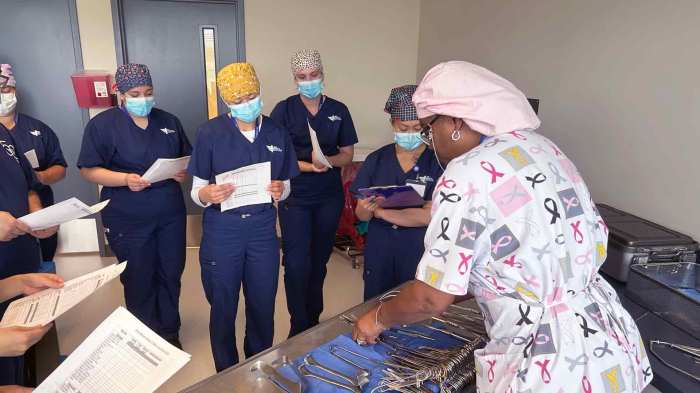
Surgical technicians are indispensable in the operating room, serving as the frontline defense against surgical site infections (SSIs). Their meticulous adherence to sterile technique and unwavering commitment to patient safety are critical components of a successful surgical outcome. These professionals are not merely assistants; they are integral partners in the surgical team, responsible for maintaining a clean and safe environment that minimizes the risk of infection. Their vigilance directly impacts the patient’s recovery and overall well-being, making their role of paramount importance.
The Critical Role of Surgical Technicians in Maintaining a Sterile Field and Preventing Surgical Site Infections
The surgical technician’s primary responsibility revolves around maintaining a sterile field, a defined area considered free from microorganisms. This sterile field is essential for preventing the introduction of pathogens into the surgical wound, which could lead to an SSI. Surgical technicians meticulously prepare the operating room, ensuring all instruments, equipment, and supplies are sterilized and properly arranged. They are also responsible for monitoring the sterility of the environment throughout the procedure and intervening immediately if any breach of sterile technique occurs. This proactive approach, coupled with constant vigilance, significantly reduces the likelihood of infection and contributes to positive patient outcomes. They must possess an in-depth understanding of aseptic techniques, infection control principles, and the potential sources of contamination. The consequences of even a minor lapse in sterile technique can be severe, ranging from delayed wound healing to life-threatening infections. Surgical technicians are, therefore, the guardians of the sterile environment, constantly working to protect patients from the potentially devastating effects of SSIs.
Specific Protocols and Procedures Surgical Technicians Follow to Ensure a Sterile Environment
A surgical technician’s actions are governed by strict protocols and procedures designed to minimize the risk of infection. These protocols encompass a wide range of activities, from preparing the operating room to assisting the surgical team during the procedure.
* Pre-operative Preparation: Before the surgery begins, the surgical technician meticulously prepares the operating room. This includes cleaning and disinfecting all surfaces, verifying the sterilization of instruments and equipment, and setting up the sterile field. This process often includes checking the integrity of sterile packaging and ensuring that all items have passed sterilization indicators.
* Scrubbing and Gowning: The surgical technician and other sterile team members must perform a surgical scrub, a rigorous handwashing procedure that removes transient microorganisms. Following the scrub, they don sterile gowns and gloves, establishing a barrier between themselves and the sterile field.
* Instrument Handling: Instruments are handled with extreme care to maintain sterility. The surgical technician passes instruments to the surgeon in a specific manner, ensuring the handles are presented to the surgeon. Instruments are never dropped below waist level, as this compromises their sterility.
* Sterile Field Maintenance: Throughout the surgery, the surgical technician continuously monitors the sterile field. They are responsible for identifying and correcting any breaches of sterility, such as contamination from non-sterile items or improper handling of instruments.
* Waste Management: Proper disposal of contaminated materials is critical. The surgical technician ensures that all sharps are placed in designated containers and that biohazardous waste is handled according to established protocols.
* Surgical Counts: Before, during, and after the surgery, the surgical technician participates in surgical counts of sponges, needles, and other items to ensure that nothing is left inside the patient. This is a critical safety measure to prevent retained surgical items, which can lead to serious complications.
* Aseptic Technique Adherence: The surgical technician consistently adheres to aseptic techniques, including maintaining a sterile field, using sterile instruments and supplies, and avoiding contamination. They are trained to recognize potential breaches of sterility and take immediate corrective action.
The Importance of Proper Instrument Handling, Sterilization Techniques, and Equipment Maintenance
Proper instrument handling, sterilization techniques, and equipment maintenance are crucial pillars of infection control in the surgical setting. Surgical technicians are responsible for ensuring that all instruments are properly sterilized before each use. This involves understanding the different sterilization methods, such as steam sterilization (autoclaving), ethylene oxide sterilization, and hydrogen peroxide gas plasma sterilization, and the appropriate use of each method. They must also monitor sterilization cycles using chemical and biological indicators to ensure effectiveness. Instruments are carefully inspected for damage or wear and tear, as damaged instruments can harbor microorganisms and compromise sterility. Equipment maintenance is equally important; surgical equipment must be regularly cleaned, inspected, and maintained to ensure it functions correctly and does not contribute to contamination.
Proper sterilization techniques, including the use of validated sterilization methods and the rigorous monitoring of sterilization cycles, are essential to eliminate microorganisms from surgical instruments.
Steps for Preparing for and Responding to a Surgical Emergency Related to Infection Control
When a breach of sterility occurs, a rapid and decisive response is critical. The surgical technician is often the first to recognize the breach and must be prepared to take immediate action. The following table Artikels the steps a surgical technician takes to prepare for and respond to a surgical emergency related to infection control.
| Preparation Stage | Action | Rationale | Outcome |
|---|---|---|---|
| Pre-Surgery Planning |
Ensure all instruments and supplies are properly sterilized. Verify the integrity of sterile packaging. Prepare a backup sterile field. |
Minimize the risk of introducing pathogens. Ensure readiness for unexpected events. |
Reduced risk of infection. Preparedness for emergencies. |
| During the Procedure – Breach Detected |
Immediately inform the surgical team. Identify the source of contamination. Remove the contaminated item from the sterile field. Replace contaminated instruments and supplies. |
Alert the team and prevent further contamination. Contain the breach and minimize the spread of pathogens. |
Containment of the breach. Prevention of further contamination. |
| During the Procedure – Post Breach |
Re-establish the sterile field. Consult the surgeon about the need for antibiotic prophylaxis. Document the breach and corrective actions. |
Minimize the risk of SSI. Ensure patient safety. Provide a record for future reference and process improvement. |
Minimized infection risk. Patient safety maintained. Improved process control. |
| Post-Surgery Actions |
Review the incident with the team. Report the breach according to hospital policy. Ensure proper instrument reprocessing and sterilization. |
Learn from the event and prevent future occurrences. Maintain regulatory compliance. Ensure all instruments are safe for future use. |
Continuous improvement in aseptic technique. Compliance with regulations. Prevention of future incidents. |
Ultimate Conclusion

The surgical technician’s journey is one of continuous learning, adaptation, and unwavering dedication to the well-being of patients. From mastering the intricacies of surgical instrumentation to navigating the ever-evolving landscape of medical technology, these professionals play a vital role in the success of surgical procedures. As healthcare continues to advance, the demand for skilled and ethical surgical technicians will only grow, solidifying their importance in the operating room and beyond.
